Reviews
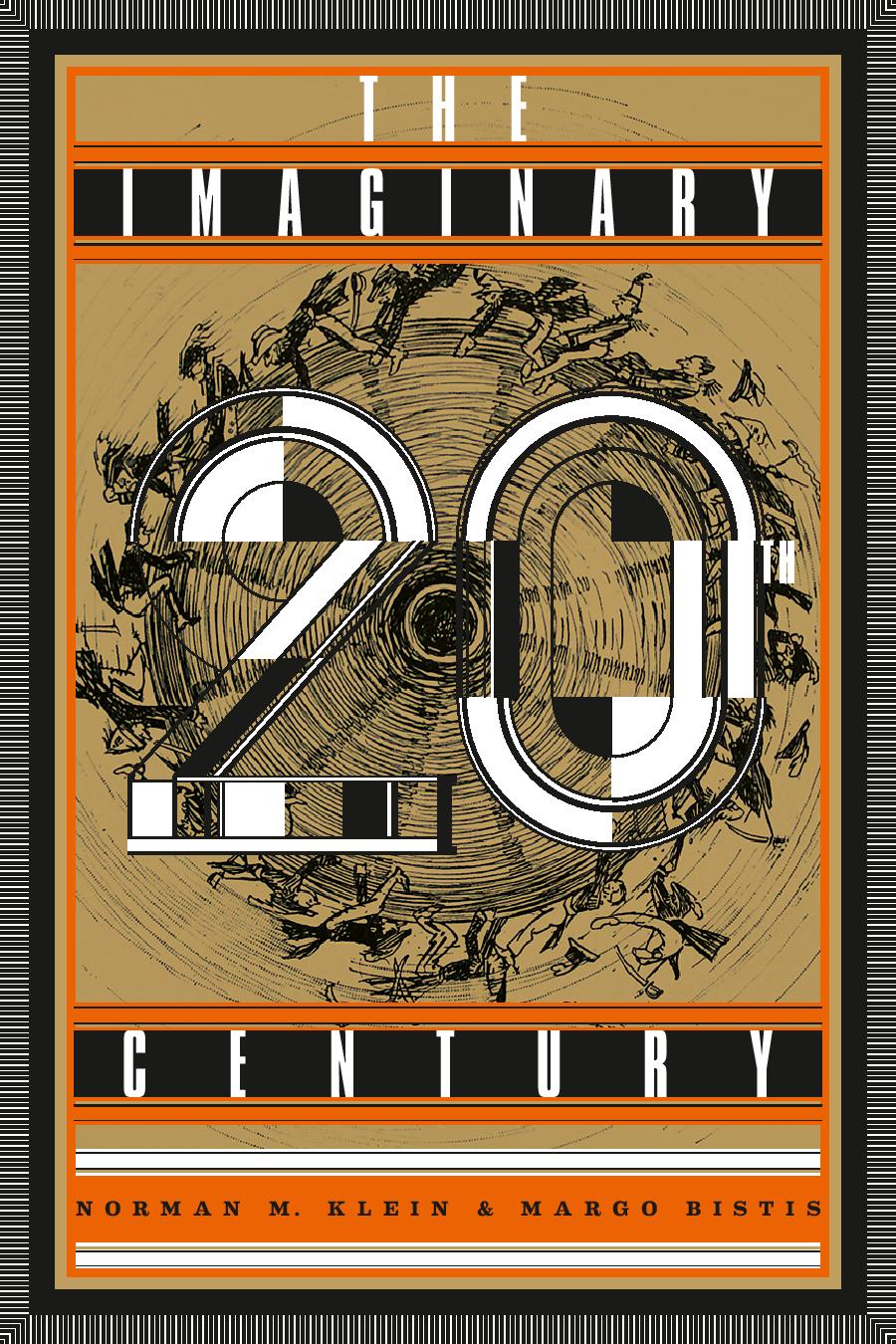
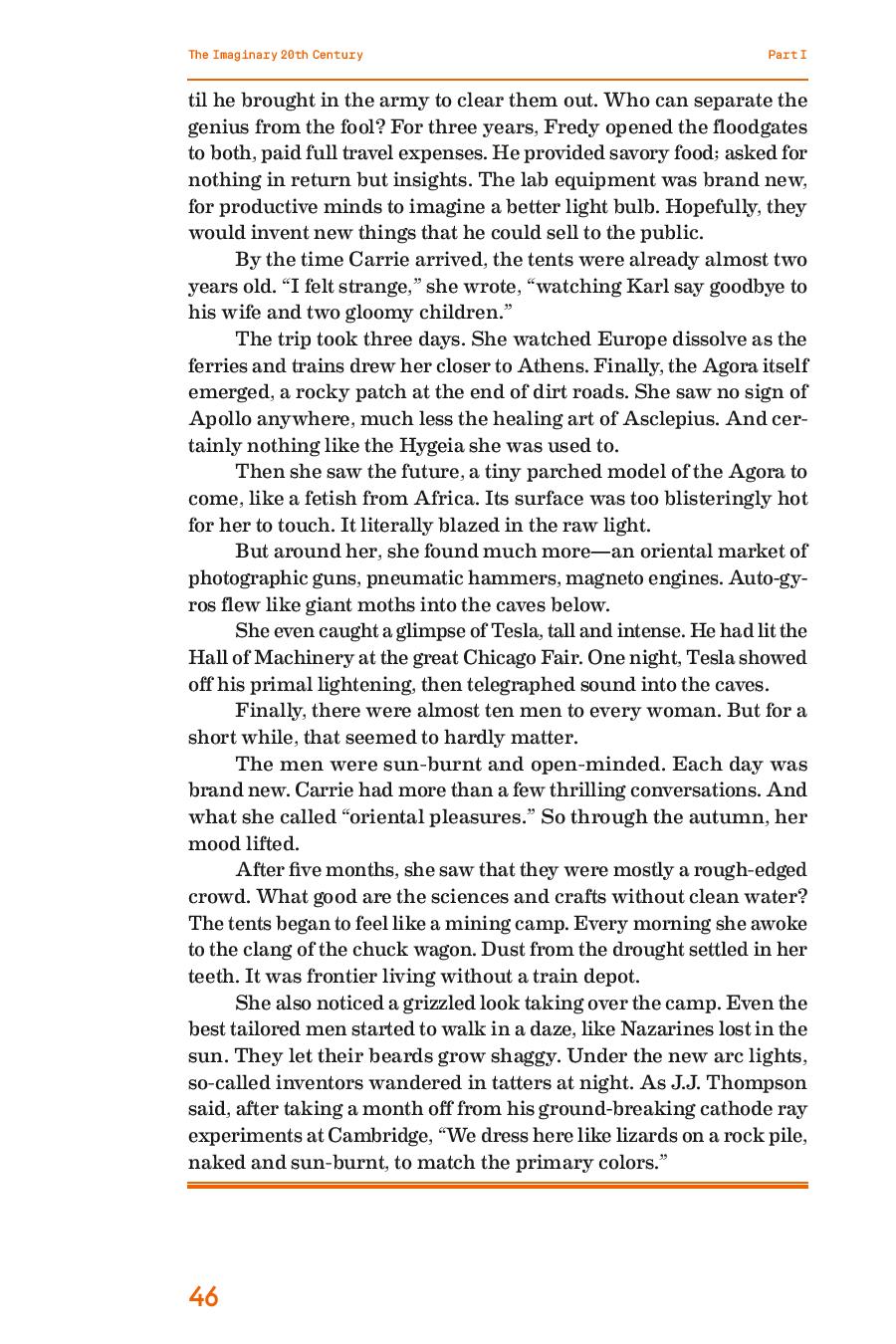
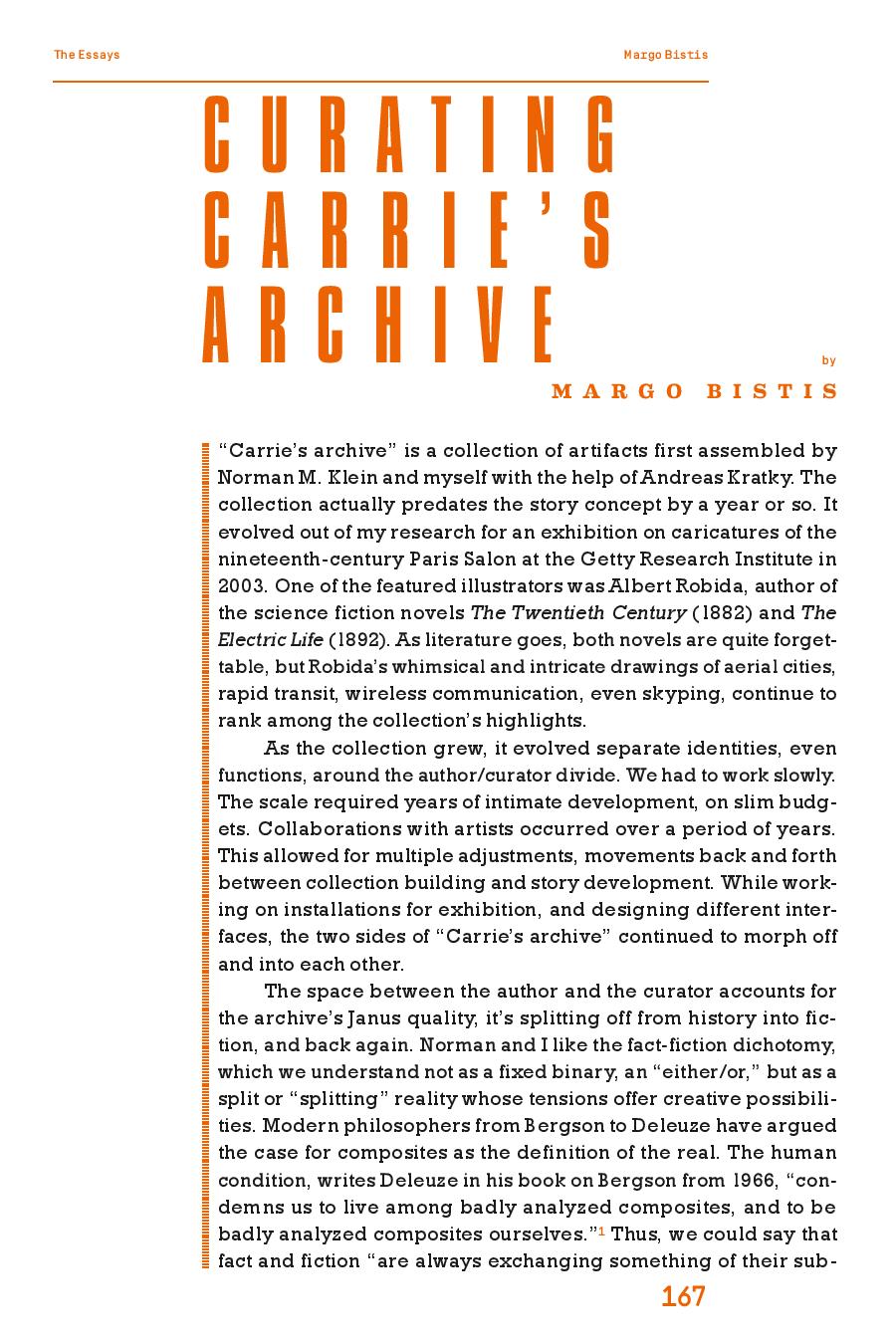
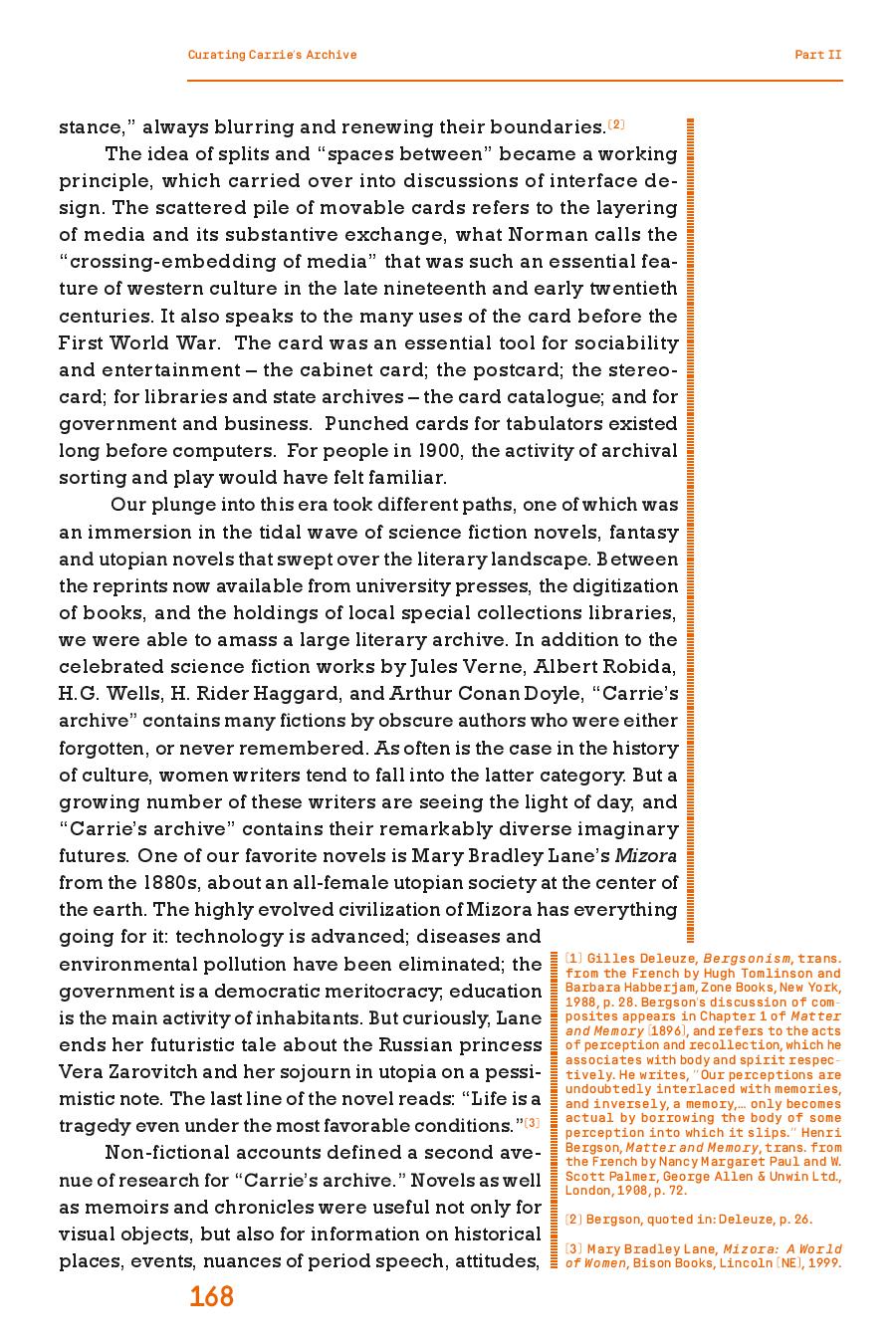
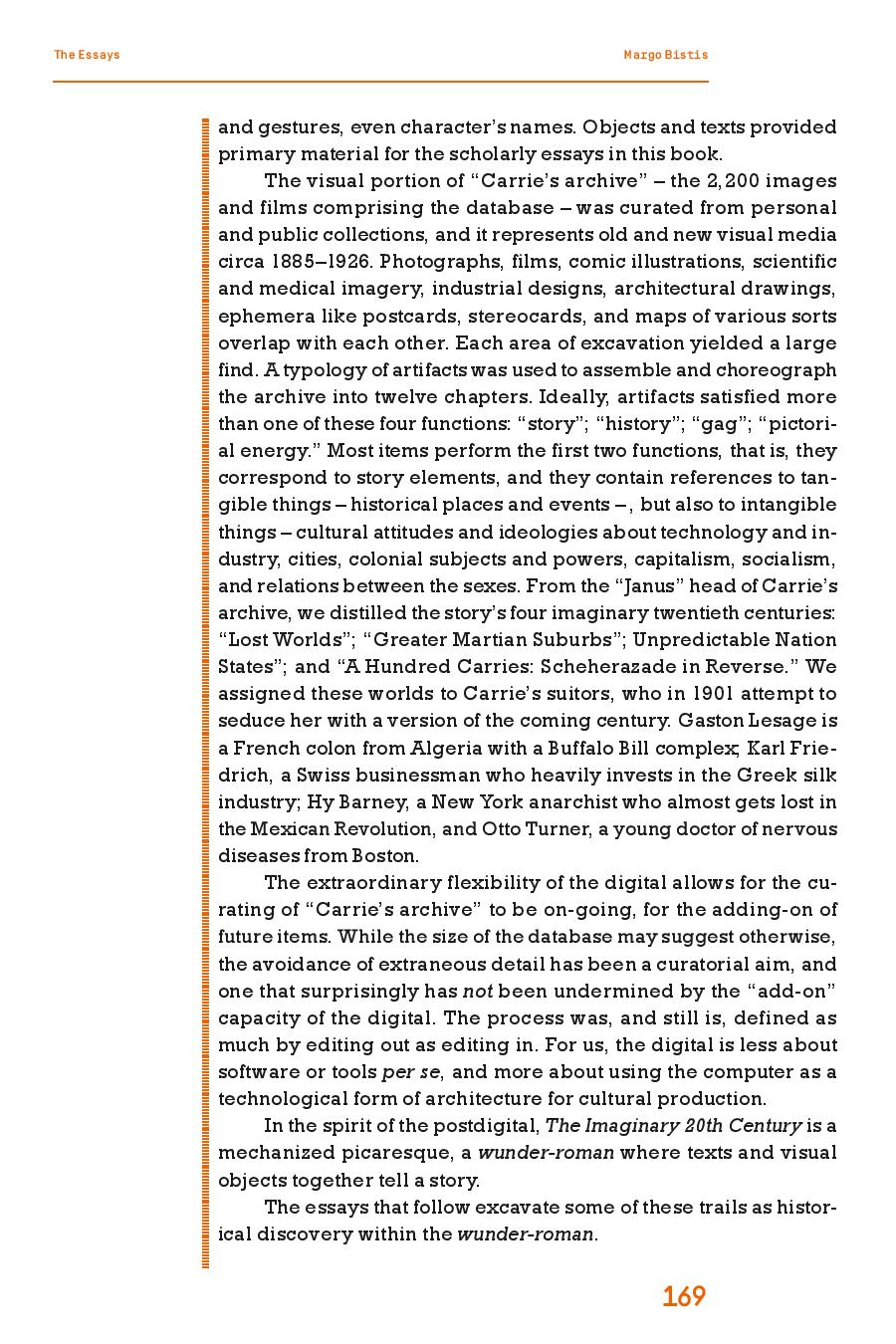
… The Imaginary 20th Century could be approached as a contemporary version of the classic ‘great American novel’, seen from a more global perspective and including a large number of paratextual and metatextual material. Klein is a great storyteller and the achievement of his work does not only depend on the reader’s amazement (hence the idea of ‘Wunder’, that Renaissance mix of astonishment and admiration we find at the heart of the Wunderkammer aesthetics of this novel) but also on his capacity of striking the right balance between surprise and suspense.
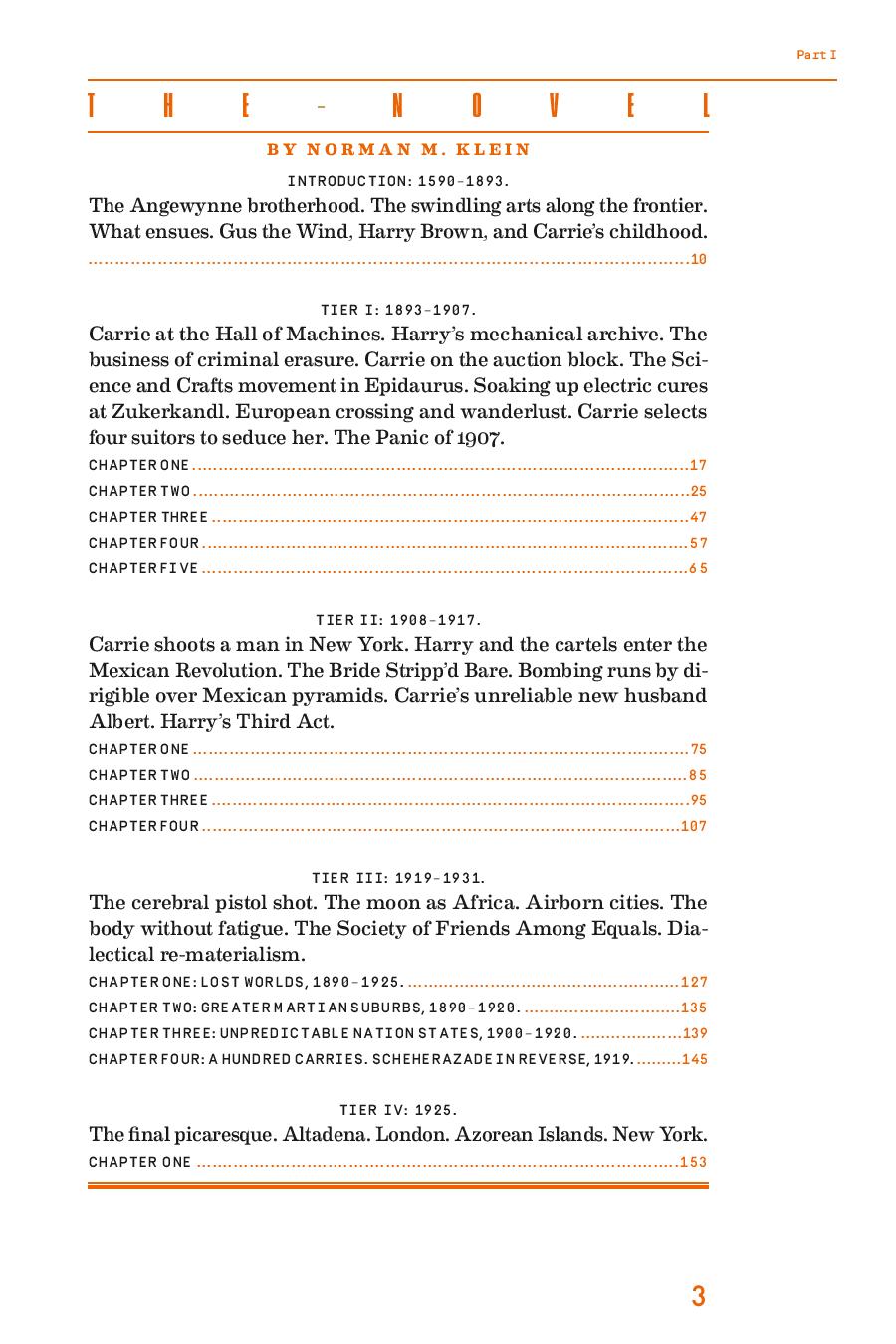
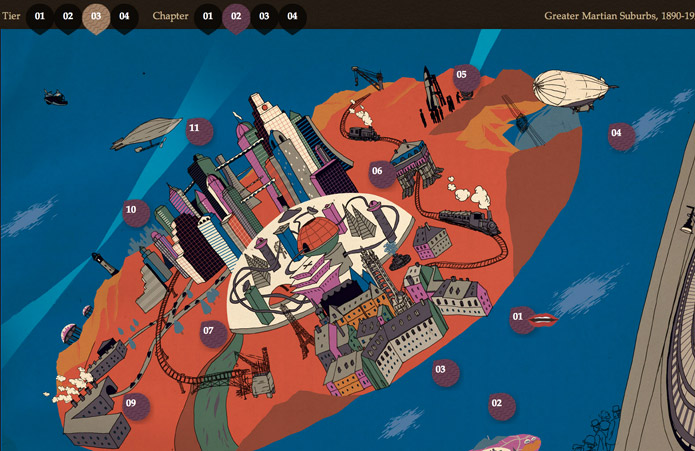
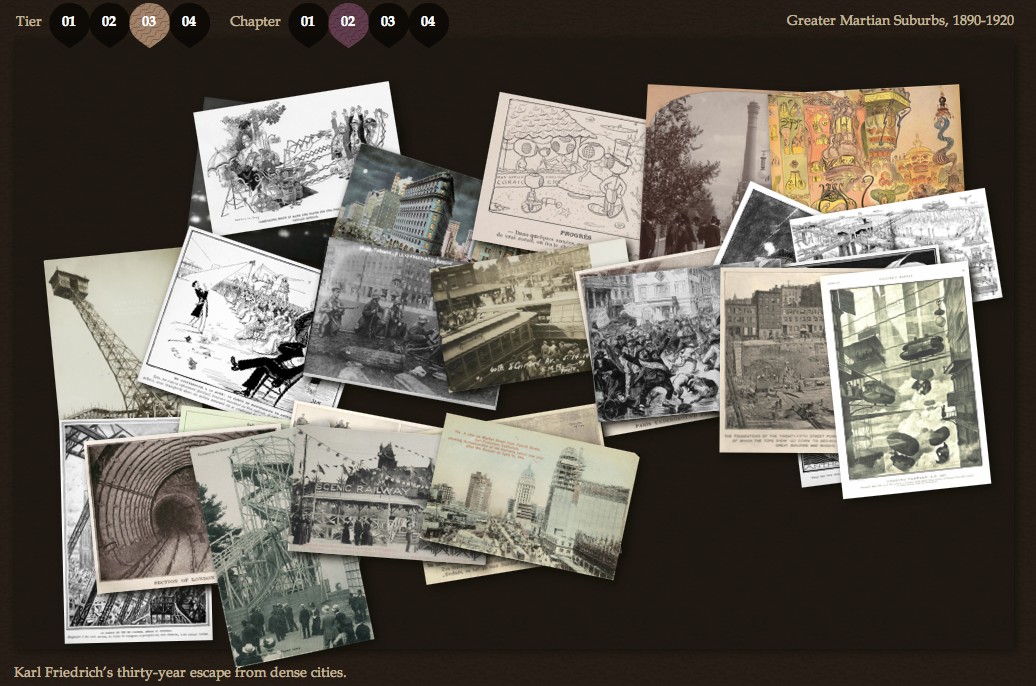
Klein has been a pioneering voice in the progressive disclosure of the mutual shaping and reshaping of storytelling in print and the narrative possibilities of the internet. …The Imaginary 20th Century, a work [co-directed] with cultural historian and curator Margo Bistis, is both a deepening of previous experiments and the result of new reflections on forms and formats of storytelling in the digital age. The novel told in The Imaginary 20th Century resembles more an encyclopedia or if one prepares a creatively treated archive: not just one storyline but four storylines, not just fiction but enhanced fiction, that is fiction completed with substantial visual counterparts as well as faction, often of a very self-reflective type (Klein and Bistis play ball with the reader and viewers, explaining to her the ambition, the context and the procedures of the novel). The images do not ‘illustrate’ the text, they extend it with other means. In a similar vein, the texts do not add narrative or nonnarrative captions to the images, they offer possible interpretations via specific combinations and recombinations of the often astonishing visual material.
Jan Baetens
Image & Narrative
Not a work of hypertext, The Imaginary 20th Century reveals a more humanistic approach to database aesthetics than many other projects…. At its heart, it is a story of seduction. The past is as seductive to the contemporary viewer as the four suitors’ visions of the future are to the heroine.
Kim Beil
Artweek
…Carrie’s archival tale (filled with evasions and contraditions) functions as a psychogeographical diagnostic that for us, operates as a kind of short-circuit — a comic tale potentially snapping many millenials out of their wi-fi induced social media malaise. We must get beyond our fantasmatic, unambiguous visions of the future … And this project moves as fast as you want, or excavates as far as you choose to go. Indeed, without a well-researched sourcebook like this, our premonitions and prognostications will be clouded by too much nostalgia, or false imaginaries.
Maxi Kim
Entropy Magazine
The Imaginary 20th Century not only negotiates the question of where the lines should be drawn between fact and memory, but the book doubles as a puzzle. Its central sentence reads: ‘The future can only be told in reverse’. This aphorism is as paradoxical as it is true. Because after all, it is — among other things– about four visions of the future, but a future that lies in the past; getting reconstructed from the fragments of the archive.
Hans Ulrich Obrist
Das Magazin
Selected for Books of the Year, 2016.
Süddeutsche Zeitung